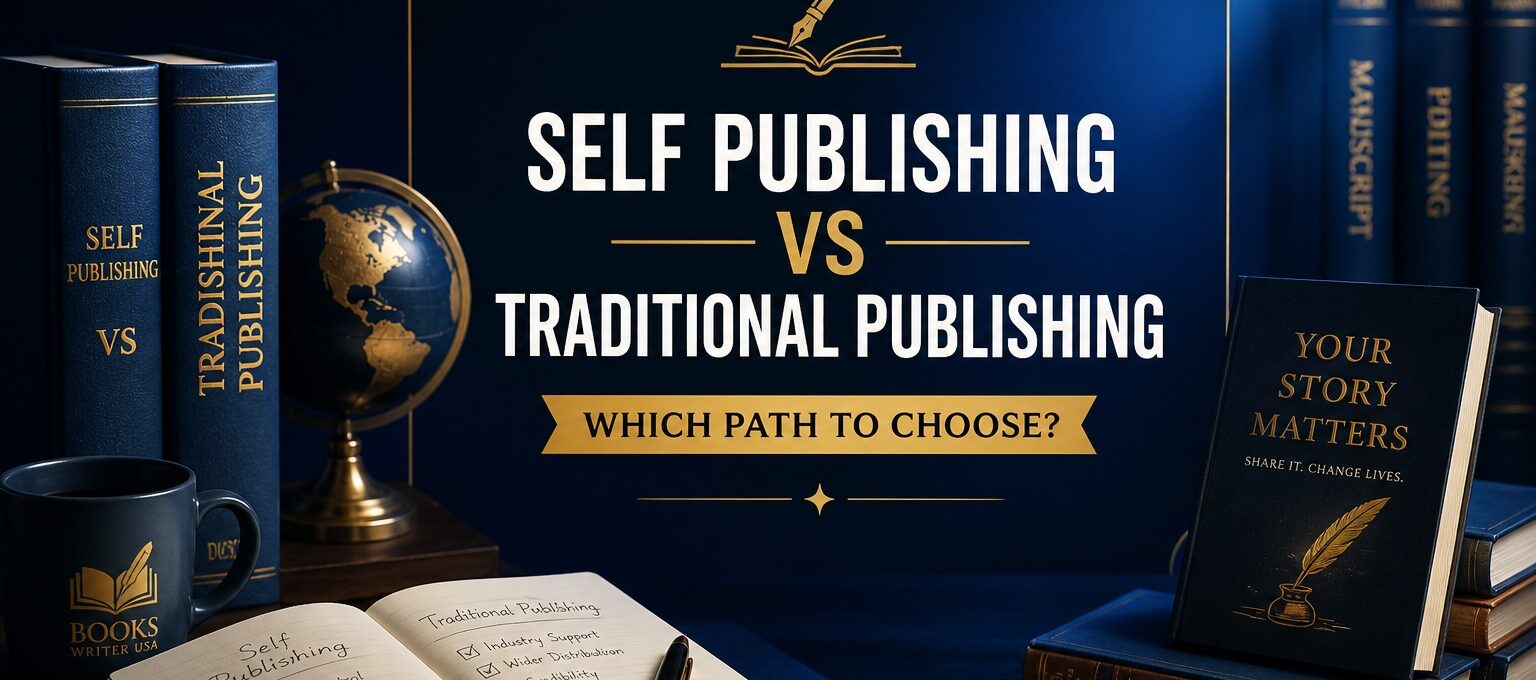
When it comes to the world of publishing, the debate between self publishing vs traditional publishing is a hot topic among aspiring authors. Each route offers unique advantages and challenges, making it essential for writers to understand their options before embarking on their publishing journey. In this complete guide, we will explore the key differences, benefits, and drawbacks of self publishing and traditional publishing, helping you make an informed decision that aligns with your goals.
What is Self Publishing?
In addition, self publishing is the process by which authors independently publish their books without the involvement of a traditional publishing house. This method has gained immense popularity in recent years, thanks to advancements in technology and the rise of digital platforms. Authors who choose self publishing retain full control over their work, from content to marketing strategies.
Advantages of Self Publishing
- Creative Control: One of the most appealing aspects of self publishing is the creative freedom it offers. Authors can make decisions about their book’s cover design, formatting, and overall presentation.
- Higher Royalties: Self published authors typically earn higher royalties compared to traditional publishing. While traditional publishers may offer 10-15% royalties, self published authors can earn up to 70% of their book’s sales.
- Speed to Market: The self publishing process is often quicker than traditional publishing. Authors can publish their books within weeks or even days, allowing them to reach readers faster.
- Direct Relationship with Readers: Self publishing allows authors to connect directly with their audience, fostering a loyal reader base.
Challenges of Self Publishing
- Upfront Costs: Authors are responsible for all costs associated with publishing, including editing, cover design, and marketing. This can be a significant investment.
- Marketing Responsibilities: Self published authors must take on the marketing of their books, which can be overwhelming for those unfamiliar with the process.
- Quality Control: Without the oversight of a traditional publisher, the quality of the book may suffer if the author does not invest in professional editing and design services.
What is Traditional Publishing?
That said, traditional publishing involves submitting a manuscript to a publishing house, where it undergoes a rigorous selection process. If accepted, the publisher handles the editing, design, distribution, and marketing of the book. This route is often seen as the “gold standard” in the publishing industry, but it comes with its own set of challenges.
Advantages of Traditional Publishing
- Professional Support: Traditional publishers provide a team of professionals, including editors, designers, and marketers, to help bring the book to market.
- Established Distribution Channels: Traditional publishers have established relationships with bookstores, libraries, and online retailers, making it easier to get books into readers’ hands.
- Credibility and Prestige: Being published by a reputable publishing house can lend credibility to an author’s work, making it easier to gain media attention and book reviews.
- Financial Support: Traditional publishers often provide an advance against royalties, giving authors some financial security while they work on their books.
Challenges of Traditional Publishing
- Lengthy Process: The traditional publishing process can take years, from submission to publication.
- Loss of Control: Authors relinquish control over their work, with publishers making key decisions about editing, cover design, and marketing strategies.
- Lower Royalties: Authors typically receive a smaller percentage of sales compared to self published authors, which can be discouraging.
Key Differences Between Self Publishing and Traditional Publishing
As a result, understanding the key differences between self publishing vs traditional publishing can help authors choose the right path for their writing careers. Here are some of the most significant distinctions:
Control and Ownership
In fact, in self publishing, authors retain full control over their work, including rights and royalties. In contrast, traditional publishing often requires authors to sign away certain rights and accept lower royalties.
Investment and Costs
Most importantly, self published authors must invest in their projects upfront, covering costs for editing, design, and marketing. Traditional publishers cover these costs but take a larger cut of the profits.
Time to Publication
To be clear, self publishing allows for a quicker turnaround, often resulting in a book being published within weeks. Traditional publishing can take years, as manuscripts go through multiple rounds of editing and approval.
Marketing Responsibilities
Because of this, self published authors are responsible for their own marketing, which can be a daunting task. Traditional publishers typically have dedicated marketing teams to promote their authors’ works.
Choosing the Right Path: Self Publishing vs Traditional Publishing
At the same time, deciding between self publishing and traditional publishing depends on various factors, including your goals, budget, and level of commitment. Here are some considerations to help you make your choice:
Your Goals as an Author
Consider what you want to achieve with your book. If your goal is to reach a wide audience and gain recognition, traditional publishing may be the better route. However, if you prioritize creative control and higher royalties, self publishing might be the way to go.
Your Budget
Finally, evaluate your financial resources. Self publishing requires an upfront investment, while traditional publishing may provide an advance. Determine what you can afford and how much you are willing to invest in your book.
Your Willingness to Market
For example, marketing is crucial in both self publishing and traditional publishing. If you enjoy promoting your work and engaging with readers, self publishing could be a fulfilling option. If you prefer to focus solely on writing, traditional publishing may be more suitable.
How to Navigate Self Publishing
In addition, if you decide to pursue self publishing, there are several steps you can take to ensure a successful launch:
1. Write and Edit Your Manuscript
That said, before you publish, ensure your manuscript is polished. Consider hiring a professional editor to provide feedback and make necessary revisions.
2. Design a Professional Cover
As a result, your book cover is often the first impression readers will have of your work. Invest in a quality design that reflects your book’s genre and content. You can explore professional cover design services to ensure your book stands out.
3. Format Your Book
In fact, proper formatting is essential for both print and digital versions of your book. You can either learn to format it yourself or hire a professional service. For more information on formatting, visit this page.
4. Choose a Publishing Platform
Most importantly, there are many platforms available for self publishing, including Amazon Kindle Direct Publishing, Barnes & Noble Press, and IngramSpark. Research each option to determine which best suits your needs.
5. Market Your Book
To be clear, develop a marketing strategy to promote your book. use social media, book signings, and author events to reach potential readers. Consider using services like professional marketing assistance to enhance your efforts.
How to Navigate Traditional Publishing
If you choose the traditional publishing route, here are steps to help you navigate the process:
1. Research Literary Agents
Because of this, most traditional publishers require authors to submit their manuscripts through literary agents. Research agents who represent your genre and follow their submission guidelines.
2. Prepare a Query Letter
At the same time, your query letter is your first introduction to a potential agent. Craft a compelling letter that summarizes your book and showcases your writing style. Make sure to personalize each letter for the agent you are contacting.
3. Submit Your Manuscript
Finally, once you find a literary agent, follow their submission process. Be prepared for potential rejections, as the traditional publishing industry is highly competitive.
4. Work with Your Publisher
For example, if you secure a publishing deal, collaborate closely with your publisher throughout the editing, design, and marketing processes. They will guide you through the necessary steps to bring your book to market.
Conclusion
In addition, the choice between self publishing vs traditional publishing ultimately depends on your personal preferences, goals, and resources. Both paths offer unique opportunities and challenges. By understanding the key differences and weighing the pros and cons, you can make an informed decision that aligns with your vision as an author. Whether you choose to self publish or pursue traditional publishing, remember that your story deserves to be told, and there are avenues available to help you share it with the world.
That said, self publishing offers creative control, higher royalties, and a faster route to market. Authors can make decisions about their book’s presentation and marketing strategies while retaining ownership of their work.
As a result, self published authors can earn up to 70% in royalties, while traditional publishers typically offer 10-15%. This significant difference can impact an author’s income potential.
In fact, yes, self published authors can get their books into bookstores, but it often requires establishing relationships with local retailers and using distribution services like IngramSpark.
Most importantly, consider factors such as ease of use, royalty rates, distribution options, and available support when selecting a self publishing platform. Popular options include Amazon KDP and Barnes & Noble Press.
To be clear, the traditional publishing process can take anywhere from several months to several years, depending on the publisher’s schedule and the book’s specific needs.
Because of this, yes, many authors have successfully transitioned from self publishing to traditional publishing. If your self published book gains traction, it may attract the attention of literary agents and publishers.